Sheep
What it is
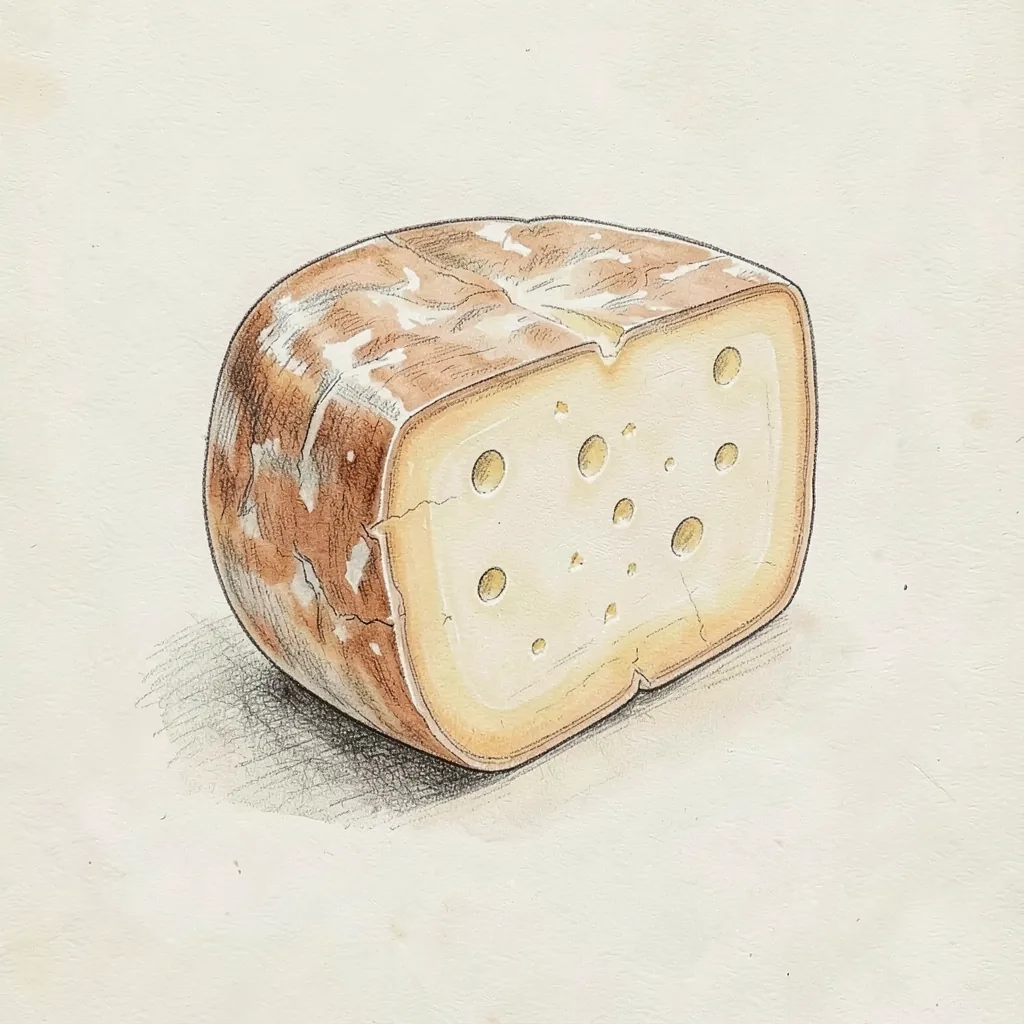
The name refers to Filiano in Basilicata, and the name is protected. Dairies use raw whole milk from sheep kept in that part of the south. The wheel is a cylinder, and the rind keeps the marks of the basket mold. A younger wheel is a table cheese, and a long aged wheel is firmer, saltier, and suited to the grater.
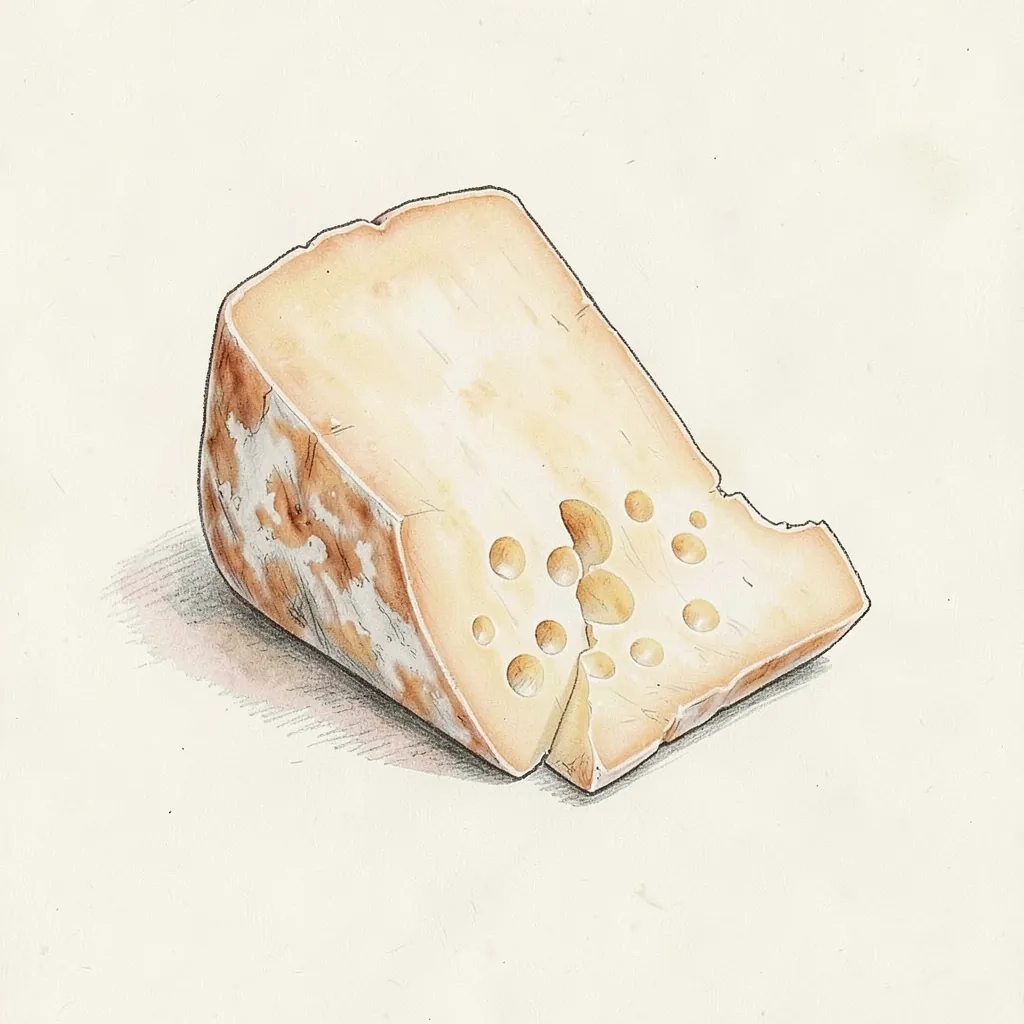
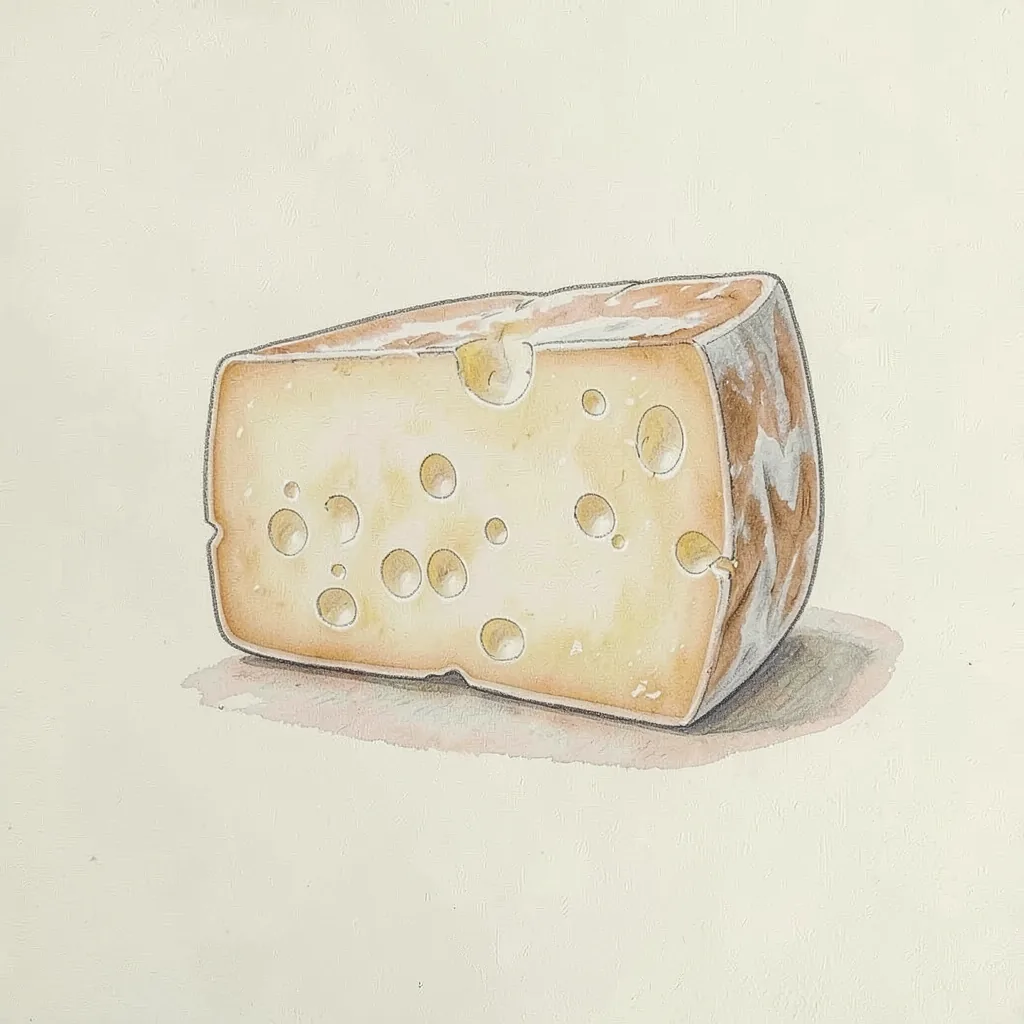
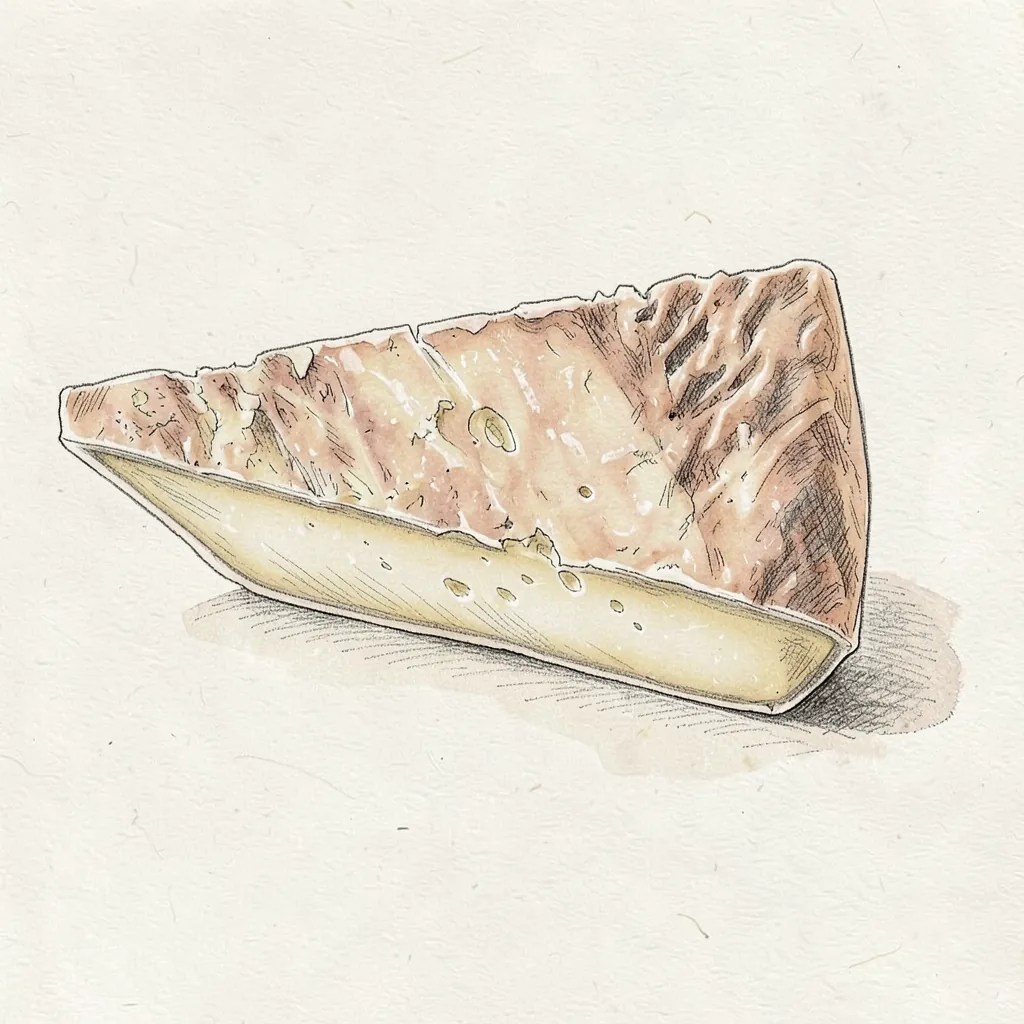
The paste is compact and a little grainy, with small irregular holes. Color moves from white to straw as the cheese ages, and the rind goes from gold to deep brown. Early flavor is sweet and mild, with a clear sheep's milk note. Later the taste turns savory and lightly piquant, with hints of hay, herbs, and toasted nut. Olive oil and wine vinegar on the rind are part of the traditional finish, not a coating you eat for its own sake.
History
Sheep keeping in this part of Basilicata is old, and hard sheep's milk cheeses were a way to keep milk from the flocks. Pecorino di Filiano took its name from Filiano and from the style of pecorino made there. Written notes on local sheep cheese go back a long way, but the modern name covers one defined wheel. The name is protected, so milk, area, and method have to match the tradition. It is not a generic grating cheese sold under a borrowed place name.
The cheese stayed a regional food for a long time, eaten in the homes and markets of Basilicata. Protection of the name made the link to local sheep and local feed clearer for buyers outside the area. Makers still use basket molds and may still ripen wheels in tufa caves, or in other cool rooms that suit a long rest. There is no single monastery or family firm behind the name. The constant things are sheep's milk, a pressed wheel, and a rind that darkens with time.
How it is made
Makers warm raw sheep's milk and set it with lamb rennet from the same area. They cut the curd, heat it again until the paste is semi-cooked, and press it into basket molds. The baskets leave a ridged pattern on the side of the wheel. Salting is done dry or in brine. After the wheel dries, it rests for a long aging, often in a tufa cave or another cool, airy room.
From a point early in the ripening, the rind may be rubbed with extra virgin olive oil from Basilicata and with wine vinegar. That coat helps the surface and deepens the color from gold toward brown. Wheels are turned so the paste dries evenly. The inside stays compact, with only small holes. A wheel kept longer grows firmer and more savory, while a wheel sold sooner stays milder and better for the table.
Taste
A younger Pecorino di Filiano tastes sweet, milky, and gently tangy, with sheep's milk easy to notice but not harsh. The paste feels firm and slightly crumbly, closer to a grating cheese than to a soft creamy round. Salt is clear and pleasant, and it brings out the milk rather than covering it. As you chew, hay, field herbs, and a light cooked milk note come through. The smell is clean and pastoral, with a warm dairy tone and no sharp ammonia.
With a longer rest the flavor grows savory and lightly piquant, and the sweet start gives way to a deeper sheep's milk taste. Toasted nut and fermented herb notes become easier to find, and they linger after the salt. The paste dries a little and breaks into firm grains under the knife. The rind is harder and darker, and most people trim it away before eating. A well kept wheel smells of cellar, hay, and browned butter, not of spoilage or harsh ammonia.
In the kitchen
Use a milder wheel in slices on a board, with bread, pear, honey, or a walnut. It also suits a salad of celery, leaves, and nuts, where the firm cubes stay separate from the dressing. Cooks in Basilicata pair it with fava beans, boiled potatoes, rice, or greens. Heat softens it, but it does not stretch into long strings. Grate the older, drier wheel over pasta, soup, or baked vegetables.
Keep the cut face covered and cold, or the paste dries and takes up other smells. Bring a board portion out of the cold before you serve it, so the aroma can open. A fine grater or a coarse grater both work on a mature wheel, and the grains melt into hot food. Do not expect a grilled slice to brown like a stretchy cheese. If you only have a young wheel, cube it instead of forcing it through a grater.
Around the world
Outside Italy, Pecorino di Filiano is less common than Pecorino Romano, which many shops stock as a hard grating cheese. Buyers who see the word pecorino may expect that very salty Roman wheel. Filiano is sheep's milk too, but it is usually less fierce when young and more herbal when aged. Look for it at Italian specialists and at counters that carry southern cheeses. A wedge should show a firm straw paste and a rind from gold to brown.
If you cannot find it, Pecorino Toscano can stand in on a board, and Pecorino Sardo can stand in when you need a firmer sheep's milk cheese. Pecorino Romano is saltier and sharper, so use less if a recipe expects the milder Filiano taste. Pecorino Siciliano is another aged sheep's milk wheel, and its flavor is not the same. Canestrato is a different southern grating cheese and only a rough swap. Read the label for sheep's milk and a firm paste before you choose a stand-in.