Cow
What it is
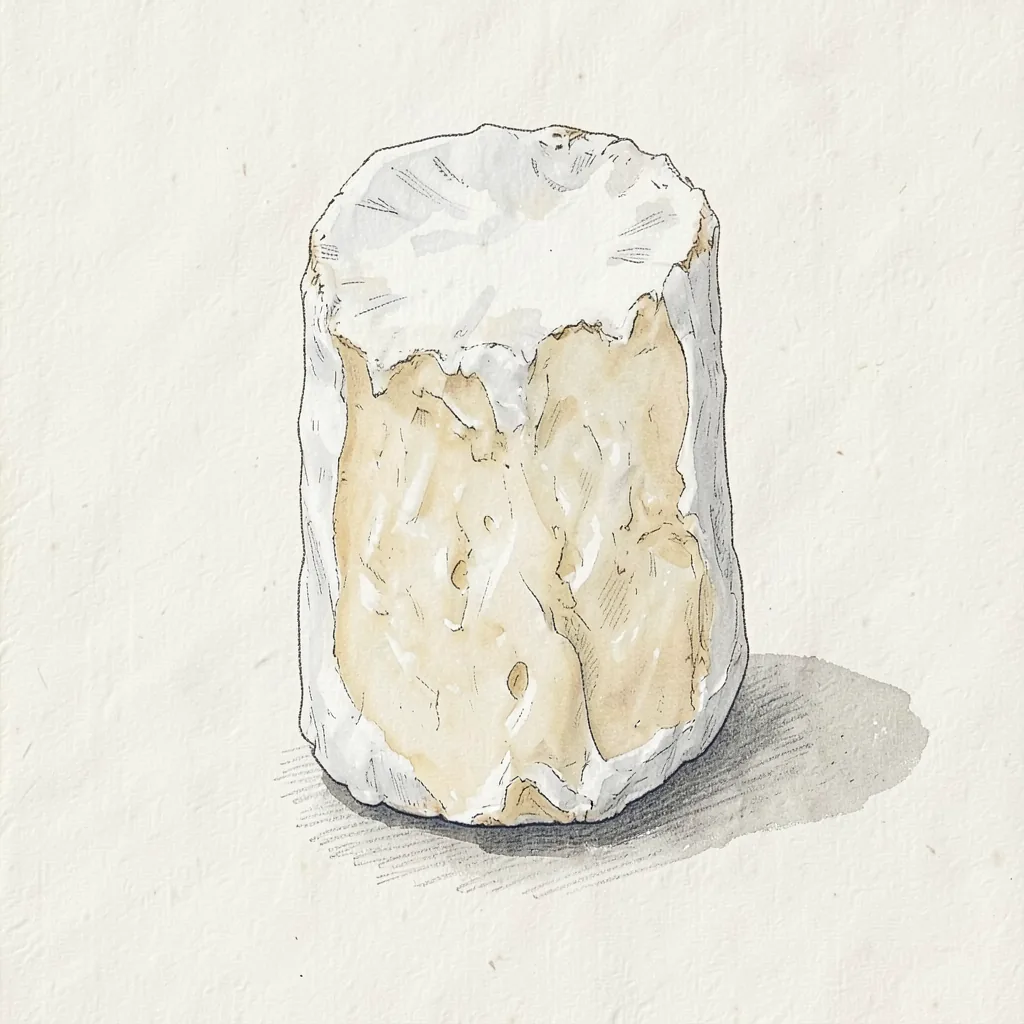
The name points to a Vaud tradition in the French-speaking part of the country, and the card gives Switzerland rather than one town. A thin white bloomy rind covers a pale paste that yields under a knife. Young rounds stay mild and milky, and riper rounds grow richer and more aromatic. It is meant for the table soon after it is made, not for long grating like a large alpine wheel.
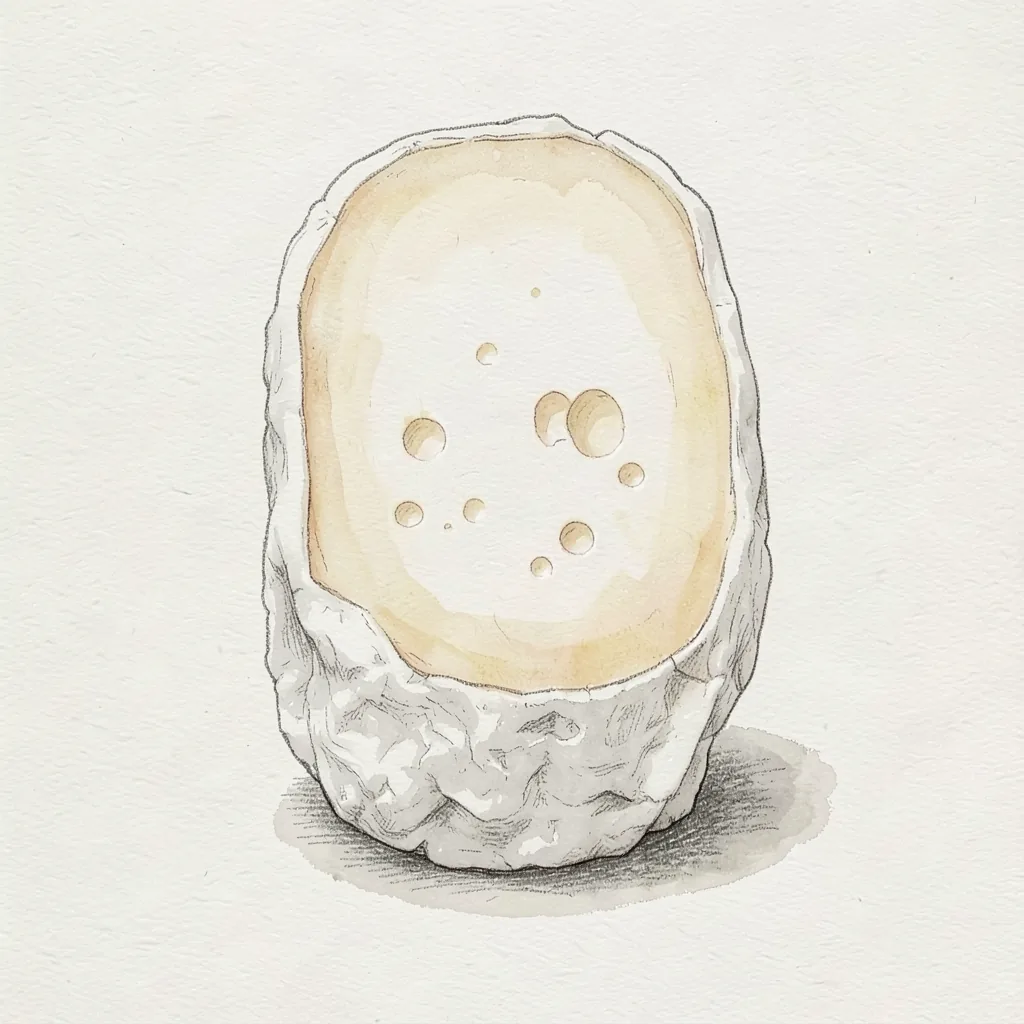
The round is small enough to serve whole, and the rind is usually eaten with the paste. Inside, the color is ivory to pale cream, and the center can slump when the cheese is ripe. The smell is fresh and lightly mushroomy from the white mold. Salt is gentle, and the flavor stays lactic rather than sharp. A piece that smells of ammonia or tastes bitter has gone too far and should not be the model for the style.
History
Small soft cheeses have long been part of daily eating in western Switzerland, where a round could be made for a local table rather than for distant trade. Tomme Vaudoise belongs to that soft group. Early accounts tie the style to summer pasture making, and later it spread through the French-speaking part of the country. The cheese stayed small, creamy, and young. It never turned into one of the big firm Swiss wheels that people keep for months and grate over food.
Swiss shops still sell Tomme Vaudoise as an everyday soft cheese from the west of the country. The white coat and the small shape set it apart from a firm tomme. As more people asked for it, dairies made it through the year instead of only in the mountain season. The Swiss name stays on the label when the cheese travels. Outside Switzerland, buyers usually find it in shops that already keep other Swiss soft cheeses.
How it is made
Dairies set cow's milk with rennet and drain a moist curd into small molds. The curd is not pressed hard, so the paste keeps its creaminess. Salt is added, and a white mold is encouraged on the surface until it forms a bloomy rind. Many commercial rounds use pasteurized milk, which gives a steady mild result. The cheese rests only long enough to move from a fresh curd to a soft cheese with a tender center.
The rind stays thin and white, and racks can leave tiny marks on it. Inside, the paste becomes creamy and may flow a little when the round is very ripe. There is no blue veining and no thick wax coat. A finished cheese should smell clean, milky, and lightly of mushrooms. If the rind is thick, brown, and strongly ammoniated, the round has been kept too long for this style.
Taste
A young Tomme Vaudoise tastes of fresh milk, sweet cream, and a gentle tang. The bloomy rind adds a soft mushroom note that stays quiet if the cheese is not overripe. The paste feels smooth and rich, and the center can be soft enough to spoon. Salt sits in the background. Grass, yeast, and a little butter can show up as the round ripens, but the flavor should stay fresh rather than sharp.
Cold cheese tastes flatter, so let a piece warm before you decide if you like it. A riper round is more aromatic, more tangy, and more likely to run at the center. It should not taste bitter, soapy, or metallic. Next to a large washed alpine cheese, the flavor is shorter and more lactic. Cream and freshness are the point, not a long nutty finish that lingers for a grating cheese.
In the kitchen
Put Tomme Vaudoise on a board with plain bread, or warm a whole small round until the center softens. In Switzerland people often grill it or heat it in a pan, then set it on salad or toast. It also melts into pasta or a simple baked dish. The rind is thin and is usually left on. Use a modest portion, because a ripe round can flow once it is hot.
Cut the round while it is still cool if you want neat slices, then let those slices lose their chill. A very ripe cheese is easier to spoon than to slice. Pears, a dry white wine, or a light green salad sit well beside it. Do not grate it like a hard Swiss wheel, because the paste will smear on the tool. Wrap the cut face so the mushroom smell stays with the cheese and does not fill the fridge.
Around the world
Tomme Vaudoise is best known in Switzerland, where buyers look for a small soft cheese with a white rind. Exporters send rounds to neighboring countries and to specialist shops farther away. On a foreign counter it can be mistaken for a baby Camembert or a small Chaource. The Swiss name and the very small size are the usual clues. It is not another name for Tomme de Savoie, which is a firmer cheese from France.
Chaource or Saint-Marcellin can stand in when you want a soft cow's milk cheese with a tender center. Vacherin Mont d'Or is larger, often washed, and more pungent, and people bake it in a box. Tomme de Savoie is pressed and sliceable, even though both names use the word tomme. Camembert is closer in rind style, but it is usually larger and more mushroomy. Ask for the Swiss name if you want this particular small round.